

Peripheral Heart Action Workouts for Runners: Why, When, and How
Peripheral Heart Action (PHA) training is a highly effective method that runners can incorporate into their training regimen. This gym-based workout technique enhances cardiovascular endurance, muscular strength, and endurance by targeting different muscle groups in succession, keeping the heart rate elevated and improving overall fitness. Let’s delve deeper into why, when, and how runners should integrate PHA workouts into their routine.
Why Runners Should Do Peripheral Heart Action Workouts
Improves Cardiovascular Endurance:
PHA training involves alternating exercises between the upper and lower body, which keeps the heart rate elevated and promotes efficient blood circulation throughout the body. This continuous circulation mirrors the demands of running, thereby enhancing cardiovascular endurance and stamina. Think of it as cardio with a twist—just when your legs think they can relax, your arms step in to keep the heart pumping!
Enhances Muscular Strength and Endurance:
By incorporating resistance exercises, PHA workouts build strength in key muscle groups used in running, such as the legs, core, and upper body. Stronger muscles contribute to better running form, increased speed, and a lower risk of injuries. Moreover, the endurance built from sustained exercise durations helps runners maintain their performance over longer distances. It’s like giving your muscles a pep talk: “You got this, keep going!”
Promotes Efficient Recovery:
PHA training allows one muscle group to recover while another is being worked. This efficient use of time ensures that the heart rate remains high without overly fatiguing specific muscles. It allows runners to engage in high-intensity workouts without the excessive muscle soreness that can come from focusing on a single muscle group. It’s like a relay race for your muscles—while one team rests, the other takes over.
Burns More Calories:
The continuous movement and elevated heart rate during PHA workouts lead to higher calorie expenditure. For runners looking to manage their weight, this can be a valuable addition to their training regimen. Consider it a calorie-burning bonanza, where every exercise feels like it’s making a dent in that last chocolate cake you devoured.
When to Incorporate PHA Workouts
PHA workouts can be a beneficial addition to a runner’s schedule once or twice a week. The ideal times to incorporate these workouts are on non-running days or designated cross-training days. This allows for adequate recovery time between high-intensity running sessions and PHA workouts, ensuring that the body is not overworked and can recover properly. After all, even superheroes need their rest days—just ask your legs after a long run.
How Peripheral Heart Action Workouts Work
PHA workouts are designed around circuits that alternate between upper and lower body exercises with minimal rest in between. This method keeps the heart rate elevated and ensures a balanced workout that targets all major muscle groups. Here’s a more detailed look at the components and principles of PHA workouts:
Circuit Design:
A typical PHA workout consists of multiple circuits. Each circuit includes a series of exercises that alternate between upper body, lower body, and sometimes core exercises. This structure keeps the blood flowing throughout the body, which is particularly beneficial for cardiovascular health and endurance. Imagine your heart as the ultimate multitasker, pumping away efficiently while you switch from squats to push-ups.
Exercise Selection:
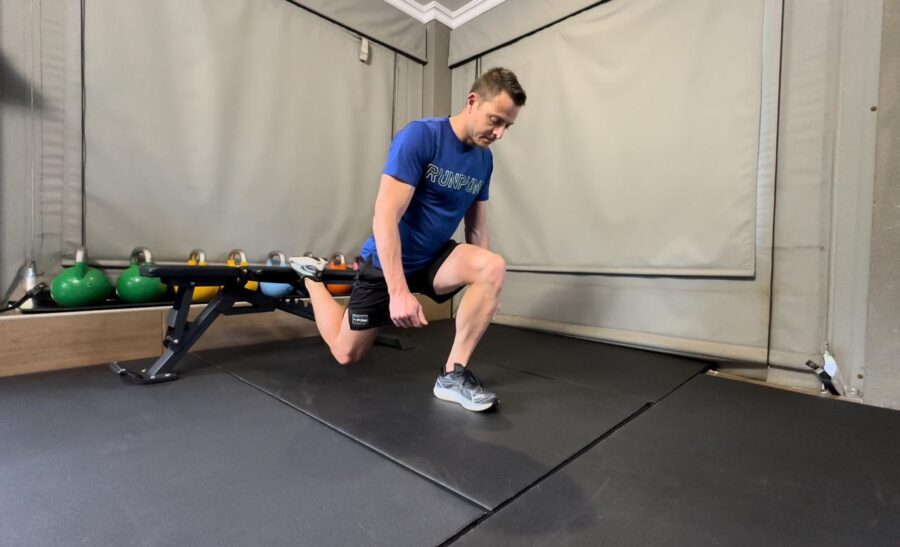
Exercises in a PHA workout are chosen to target different muscle groups. For example, a circuit might include squats (lower body), push-ups (upper body), lunges (lower body), and dumbbell rows (upper body). The key is to ensure that each exercise works a different part of the body, allowing some muscles to recover while others are active. It’s like a gym version of musical chairs, but with less sitting and more sweating.
Intensity and Duration:
PHA workouts are typically performed at a high intensity to keep the heart rate elevated. The duration of each exercise can range from 30 seconds to a minute, with short rest periods of about 15-30 seconds between exercises. The entire circuit is usually repeated multiple times, depending on the individual’s fitness level. Think of it as a game of “how high can you get your heart rate without your legs filing a formal complaint.”
Progression:
As with any fitness program, progression is important. Beginners might start with fewer circuits and lower weights, gradually increasing the intensity, number of circuits, and weight used as they become more comfortable and fit. Remember, Rome wasn’t built in a day, and neither were those chiseled calves you’re aiming for.
Cool Down and Recovery:
After completing a PHA workout, it’s important to cool down with light cardio and stretching. This helps reduce muscle stiffness and promotes recovery. Adequate hydration and nutrition are also crucial for recovery and to support the increased demands on the body. Don’t forget to treat yourself to some well-deserved rest—your muscles will thank you, and so will your couch.
Conclusion
Peripheral Heart Action training is an effective and efficient workout method for runners looking to enhance their cardiovascular and muscular endurance, improve overall fitness, and manage weight. By incorporating PHA workouts into their training regimen once or twice a week, runners can achieve a well-rounded fitness routine that complements their running and helps prevent injuries. Remember to progress gradually and pay attention to proper form and recovery to maximize the benefits of PHA training. And don’t forget to have a little fun with it—after all, your muscles are working hard, they might as well enjoy the ride!
Warm-Up: Ensure you are warmed up before starting the workout.
- Circuit 1: Complete each exercise for 45 seconds with a 15-second rest in between. Repeat 2 to 3 times.
- Circuit 2: After Circuit 1, move on to Circuit 2 following the same format.
- Cool Down: Finish with a 10-minute cool down including static stretches and deep breathing exercises.
| Beginner PHA Workout for Long-Distance Runners | |||
| Circuit 1 | Exercise | Duration | Rest |
| Bodyweight Squats | 45 seconds | 15 seconds | |
| Push-Ups | 45 seconds | 15 seconds | |
| Lunges | 45 seconds | 15 seconds | |
| Plank | 45 seconds | 15 seconds | |
| Standing Calf Raises | 45 seconds | 15 seconds | |
| Rest | 1 minute | ||
| Repeat Circuit 1 2-3 times | |||
| Circuit 2 | Step-Ups | 45 seconds | 15 seconds |
| Bent-Over Rows | 45 seconds | 15 seconds | |
| Glute Bridges | 45 seconds | 15 seconds | |
| Bicycle Crunches | 45 seconds | 15 seconds | |
| Mountain Climbers | 45 seconds | 15 seconds | |
| Rest | 1 minute | ||
| Repeat Circuit 2 2-3 times | |||
| Cool Down | 10 minutes | ||
Peripheral Heart Action Beginner Workout
About the author : Jurgens A Grobler




Join our mailing list today
Insider offers & flash sales in your inbox every week.
Join our mailing list to receive the latest updates on fitness tips, nutrition advice, and exclusive offers straight to your inbox. Be the first to know about new blog posts, workout challenges, and special events hosted by JAG Fitness. Plus, gain access to insider insights from our team of expert trainers and coaches.
